Best Companies for Toronto Top Termite Control Services
Shield Your Home: Powerful Termite Control Strategies You Need to Understand
Termites present a serious danger to residential properties. The damage they cause frequently remains hidden until significant harm is done. Recognizing their habits and indicators of infestation is critical for property owners. Proven management techniques can secure properties and minimize financial loss. Yet, a large number of property owners are uninformed about the comprehensive solutions at their disposal. Examining these approaches can offer meaningful guidance for defending one's property from these relentless insects. What steps can truly make a difference?
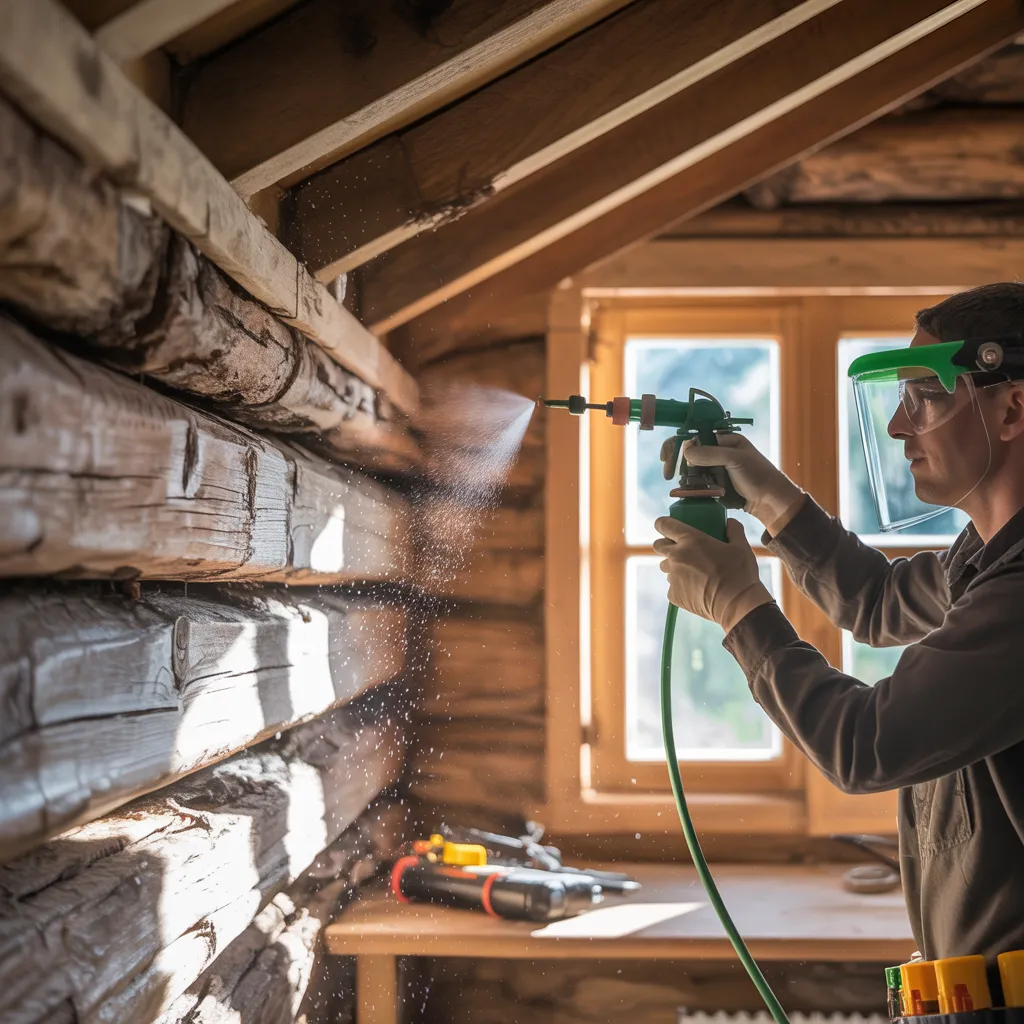
Exploring Termite Behavior and Damage
Termites, commonly known as "silent destroyers," pose a significant threat to structures due to their wood-eating behavior. These insects primarily feed on cellulose, which is plentiful within paper, wood, and select plant materials. Their colonies can number in the millions, enabling them to devour large quantities of material rapidly. Termites generally function within concealed networks, rendering early identification particularly challenging and allowing significant damage to occur before warning signs appear.
Distinct species demonstrate differing behaviors; for instance, subterranean termites construct intricate tunnels beneath the ground, while drywood termites invade timber structures immediately. The resulting damage can undermine the structural integrity of buildings, leading to costly repairs. Understanding these behaviors is essential for homeowners and pest control professionals alike, as it informs effective management strategies. Understanding the significant effects of termite activity underscores the value of proactive steps in safeguarding structures against these persistent pests.
Signs You Need Termite Control
Recognizing when termite control is necessary is crucial for maintaining structural integrity. Key indicators include visible wood damage, the appearance of earthen tubes, and the observation of swarming insects. Identifying these indicators promptly can aid in preventing widespread destruction and high repair costs.
Indicators of Wood Damage
Wood damage serves as an essential warning sign that termites may have infested a property. Property owners should watch carefully for particular signs of such damage. Wood that sounds hollow may indicate widespread tunneling through structural components. Moreover, frass, a substance resembling sawdust, may gather around wooden areas, suggesting active termite feeding. Expansion or bending of wood structures can likewise point to moisture issues and pest-induced deterioration. Furthermore, visible cracks or indentations may appear on wooden beams, further confirming termite presence. Regular inspections of wooden structures, especially in basements and attics, can help identify these signs early. Should any of these warning signs be detected, immediate measures must be taken to avoid severe structural deterioration and expensive remediation, keeping the property a protected and stable living space.
Existence of Mud Tubes
Commonly dismissed, the appearance of mud tubes is a strong indicator that termite activity is nearby. These tubes, typically constructed from soil, wood, and saliva, act as sheltered pathways for termites as they move between their nest and food sources. Commonly located in basements, crawl spaces, or along walls, the tubes can range in size and may look like small pencil-like structures. Their existence indicates that termites are currently consuming wood within the home. Homeowners should quickly investigate further upon discovering these tubes, as they indicate a potential infestation. Ignoring their presence can lead to extensive damage, making timely termite control strategies vital for protecting the property against these destructive pests.
Swarming Insects Detected
When swarming insects are noticed around a property, it can be an obvious sign of a termite infestation. Typically, these swarming insects are reproductive termites, commonly called alates, which emerge from their nests to mate and establish new colonies. Their presence often aligns with warmer months, most notably after periods of rain, making it important for homeowners to stay alert during this period. Homeowners may mistake swarming termites for flying ants, but a closer examination reveals distinct useful guide differences, including body shape and antenna structure. In addition, discarded wings can gather near entry points, which further signals their presence. Homeowners should take these signs seriously and consider contacting pest control professionals to examine the situation and develop effective termite management strategies.
Best Preventive Steps to Keep Termites at Bay
Termite control demands a proactive approach to safeguard homes from potential infestations. Homeowners can take several actions to lower the risk of termite activity. First, it is vital to eliminate moisture sources, as termites are known to favor damp environments. Regularly inspect and repair any leaky pipes or gutters to prevent water accumulation near the foundation.
Additionally, keeping a clean barrier around the house is crucial. This can be managed by clearing away wooden debris, mulch, and various other cellulose materials from the area around the foundation. Property owners should also make sure that wooden structures are at least six inches above the earth to decrease direct soil contact.
Placing physical barriers, such as metal mesh or sand-based barriers, can help prevent termites. Routine inspections by professional pest controllers can enable the detection of potential issues before they become serious. By implementing these precautionary steps, residents can substantially minimize their vulnerability to termite infestations.
Immediate Steps for Effective Termite Treatment
Tackling a termite infestation without delay is vital to protecting a home from serious harm. The primary step entails spotting the telltale signs of an infestation, like abandoned wings, mud passages, or timber that produces a hollow sound. After confirmation, property owners are advised to reach out to a qualified pest control company, as these professionals have the knowledge and equipment required for successful remediation.
In the interim, prompt measures should involve closing off entry points and minimizing dampness in compromised areas, as termites are drawn to moist conditions. Property owners should additionally eliminate wood waste and cellulose items close to the home's foundation. Applying targeted insecticides can deliver interim protection while awaiting professional intervention.
Consistent observation of the property is essential, as early detection can greatly mitigate long-term damage. By taking these immediate steps, homeowners can effectively address an infestation and protect their investment from further harm.
Evaluating the Effectiveness of Natural Remedies for Termite Control?
To what extent are natural remedies at combating termite infestations? This inquiry has drawn considerable attention as homeowners seek alternatives to chemical treatments. Several natural options, such as nematodes, diatomaceous earth, and essential oils like orange oil and neem, have gained recognition for their pest-control properties. Studies suggest that while these remedies may reduce termite populations, their effectiveness frequently falls short of conventional methods.
For example, nematodes have shown effectiveness in targeting termites, but their success relies on environmental conditions. Likewise, diatomaceous earth can help deter termites but requires precise application to guarantee efficacy. Essential oils are capable of disrupting termite behavior, however high concentrations are frequently required to produce significant results.
When Should You Call in the Experts for Pest Control?
When should you call in professional pest control experts? Homeowners should consider calling in experts when they notice signs of a termite infestation that exceed their ability to manage. Such signs encompass noticeable damage to wood-based structures, including wood that sounds hollow when tapped or mud tubes running along walls. When home-based treatments prove ineffective, bringing in professional assistance is essential. Moreover, a considerable termite presence or a far-reaching infestation is a clear sign that the issue cannot be resolved through self-managed treatments.
For individuals who are unclear about the scope of the infestation, professional pest control services offer thorough inspections and expert assessments. They possess the tools and knowledge to identify hidden infestations and implement effective treatments. At the end of the day, working with professionals not only secures swift responses but also establishes enduring preventative measures, defending the home from potential future infestations. Residents should make it a priority to consult qualified professionals whenever they encounter recurring or significant pest challenges.
Long-Term Strategies for a Termite-Free Home
Effective long-term methods for preserving a termite-free household copyright on consistent inspections and thorough maintenance. Through early detection of possible problems, residents can avoid infestations before they take hold. Additionally, applying moisture reduction strategies is vital, because termites prosper in humid surroundings.
Routine Inspections and Maintenance
Routine inspections and maintenance serve a critical role in preventing termite infestations and ensuring a home remains termite-free over time. Homeowners are encouraged to schedule regular inspections, preferably carried out by a professional pest control company, to recognize potential indicators of termite activity at an early stage. Throughout these evaluations, areas prone to infestations, such as basements, crawl spaces, and wooden structures need to be comprehensively evaluated. Maintenance practices, including repairing leaks, sealing cracks, and ensuring proper ventilation further reduce the risk of attracting termites. Furthermore, homeowners are advised to store wood and debris away from the foundation to minimize potential nesting sites. By committing to these proactive measures, homeowners can greatly enhance their defenses against termites, safeguarding their property for the long term.
Moisture Management Techniques
While maintaining a dry environment is essential for preventing termite infestations, implementing effective moisture control measures is important for long-term protection. Property owners should consistently examine gutters and downspouts to confirm proper drainage, channeling water away from the home's foundation. Filling cracks in walls and foundations helps block moisture entry, making the environment less hospitable to termites. Furthermore, installing vapor barriers in crawl spaces is effective in lowering humidity levels. It is also essential to verify that the surrounding landscaping does not permit water to collect near the base of the home. Routine upkeep of plumbing systems to prevent leaks is another important measure. By prioritizing these moisture control measures, homeowners can greatly reduce the risk of termite infestations and protect their investments over time.
Answers to Your Most Common Questions
How Much Does Termite Treatment Typically Cost?
Termite treatment generally ranges in price between $200 and $2,500, based on the severity of the infestation, treatment method, and property size. Homeowners should obtain multiple quotes for accurate pricing and effective service selection.
Can Termites Return After Treatment?
Yes, termites are able to reappear after treatment if prevention is neglected. The return of termites may occur due to nearby colonies or inadequate treatment. Regular inspections and protective strategies are essential to reduce the likelihood of future infestations.
Are DIY Termite Treatments Effective?
DIY termite treatments can be somewhat effective for minor infestations, but frequently fall short of achieving full elimination. Professional services typically offer more extensive solutions, ensuring long-term prevention and management of termite issues.
Which Types of Termites Are Most Prevalent?
The most common termite varieties consist of subterranean, drywood, and dampwood termites. Subterranean termites are widespread and notorious for causing considerable structural damage, whereas drywood and dampwood varieties generally cause less severe damage.
How Long Will a Termite Treatment Last?
Termite control treatments commonly provide protection for anywhere from three to five years, influenced by the specific treatment approach and local environmental variables. Regular inspections and maintenance can extend effectiveness, guaranteeing lasting protection from potential termite activity going forward.